
Coleo guide
Recurring Activity Charge Tracker: Check What Still Bills After Classes End
Reconcile an ended activity with its next charge, cancellation request, final invoice, and provider confirmation without assuming an app pause stops billing.
Track two separate facts for recurring activity costs: whether the child is still participating and whether the provider confirms billing has stopped. Record the last class, cancellation request, next expected charge, and final confirmation. An ended activity on your calendar does not itself end a contract or payment arrangement.
- Tie each charge to a child, provider, and billing period.
- Keep a cancellation request distinct from an accepted end date.
- Check the final statement before closing the record.
This is a reconciliation method, not advice to withhold a payment or cancel an agreement in a particular way. Provider terms and applicable local rules matter. The CFPB bill calendar includes recurring payments as part of a dated money plan; the example adds participation and confirmation details.
Identify what the recurring charge actually covers
Record whether the amount buys monthly membership, a reserved class place, transport, or an add-on. Note the billing period, next date, and the source of the amount. A monthly membership can have a different rule from a prepaid package even when both relate to the same activity.
Check the actual agreement for notice requirements and the channel used to request changes. Use the provider's own wording for any acceptance. Labels such as request sent and billing ended are worksheet descriptions here, not automatically verified Coleo states.
Example: the activity ended but one charge remains
In this fictitious USD example, Leo stops coding club on 20 March in an illustrative local term. The invented agreement requires notice by the 15th to stop the following month's charge. These dates and rules are not a universal cancellation policy.
The final additional commitment is USD 45, not zero simply because classes stopped. If the provider's reply or agreement said something different, the family would need to resolve that discrepancy rather than adopt this example's result.
| Item | Participation | Billing evidence | Next action |
|---|---|---|---|
| Leo: coding club, USD 45 monthly | Last class 20 March | Request sent 20 March; April charge initially unconfirmed | Ask provider for accepted end date |
| Provider reply on 22 March | No more classes planned | April remains payable; billing ends after April under example terms | Keep reply with April payment task |
| April fee, USD 45 | Activity still ended | Payment later confirmed by provider | Record final receipt |
| May review | Activity ended | Provider statement shows no May charge | Close billing follow-up |
Close the billing question using evidence
Keep the request, acceptance, final charge, and receipt together. If a later charge appears, compare its billing period and terms with the accepted end date. Ask the provider to explain the mismatch; a repeated amount alone does not establish an unauthorized charge.
Record any requested refund as pending until it is actually confirmed and received. Do not erase an earlier payment to make the history look as though it never happened. The family needs the chronology, especially when a credit applies to a future period instead of returning money.
Inside the app
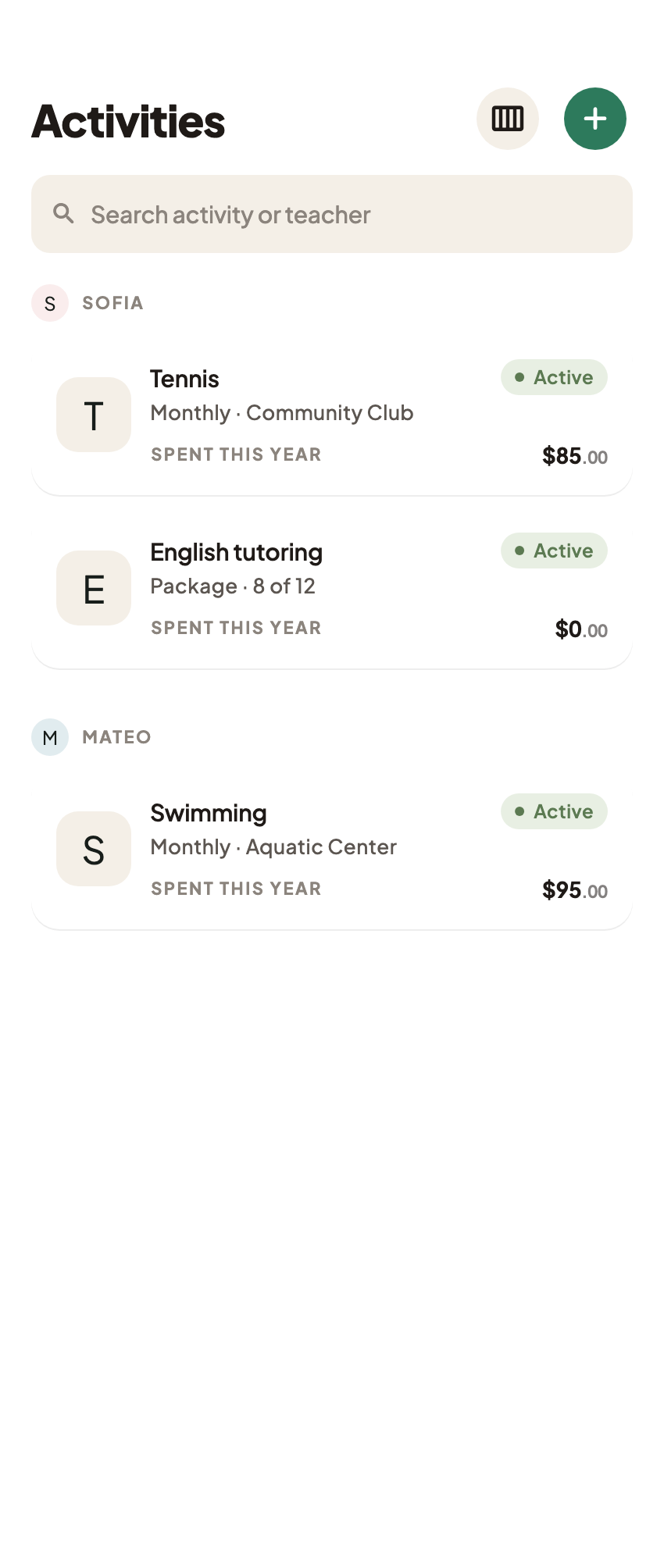
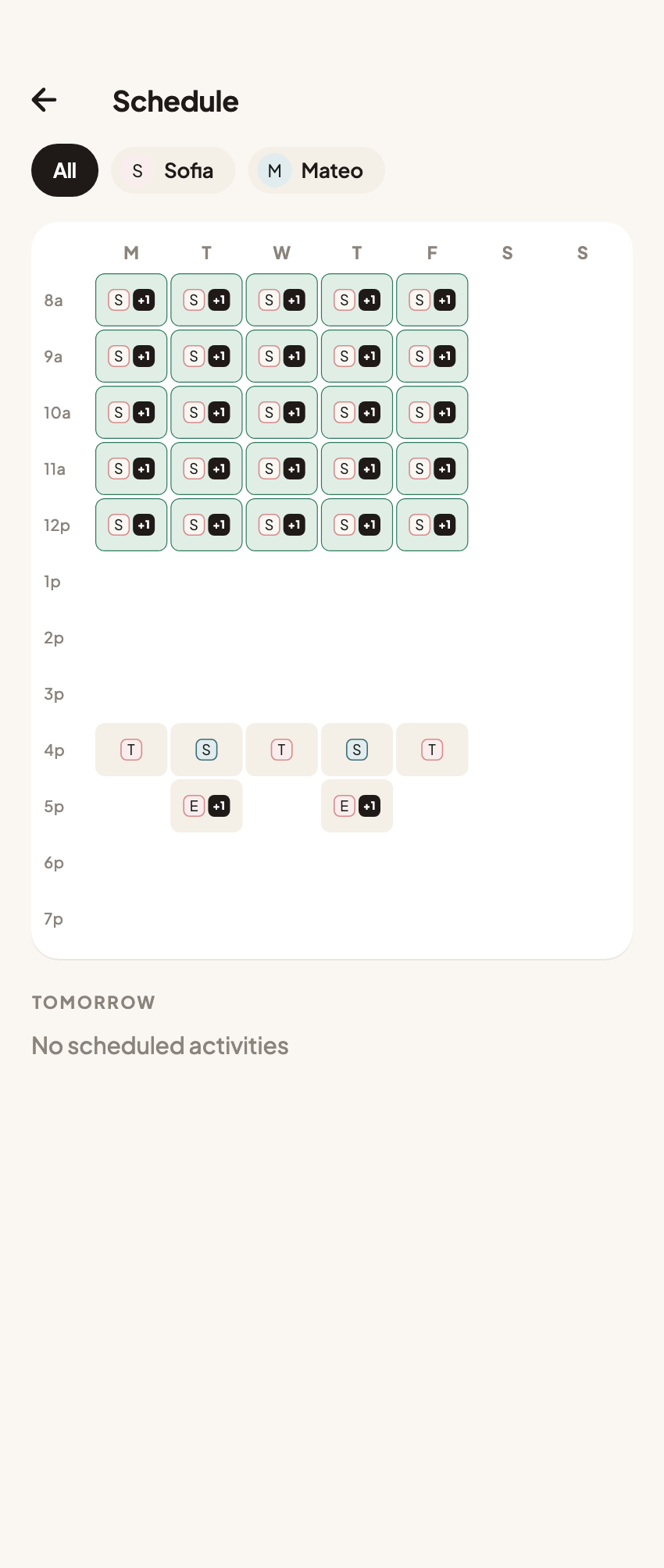
Coleo supports monthly activity costs, schedules, expense history, and local activity pauses. None of these actions cancels a provider subscription or moves money. Any reminder reflects the records and settings in the app, not a bank feed or provider-confirmed billing status.
Free download with optional in-app purchases. See your store for current prices, subscriptions and terms.
Close two questions independently: has participation ended, and has billing ended? Retain the final provider evidence so the next monthly review starts with facts.
FAQ
Common questions
No. A local pause changes your family record, not the provider agreement, subscription, or payment authorization. Contact the provider through its official process.
No. Minimum terms, notice periods, or other agreed conditions may still apply. Compare the charge with the actual agreement before drawing a conclusion.
Keep its submission reference, requested end date, next expected charge, and follow-up task. Mark the provider's billing outcome unconfirmed until you have evidence.
